
Why St. Luke's?
Choosing the right school is one of the most important decisions a family makes. Parents want strong academics and opportunities for their children, but they also want something harder to measure: a place where their child is known, encouraged, challenged, and given room to discover who they are.
For many families, that is the advantage of a small independent school.
At St. Luke's Episcopal School being intentionally small doesn't mean offering less. It means creating an environment where students can do more, try more, lead more, and become more.

Students Are Known.
Your child should never feel like just another student.
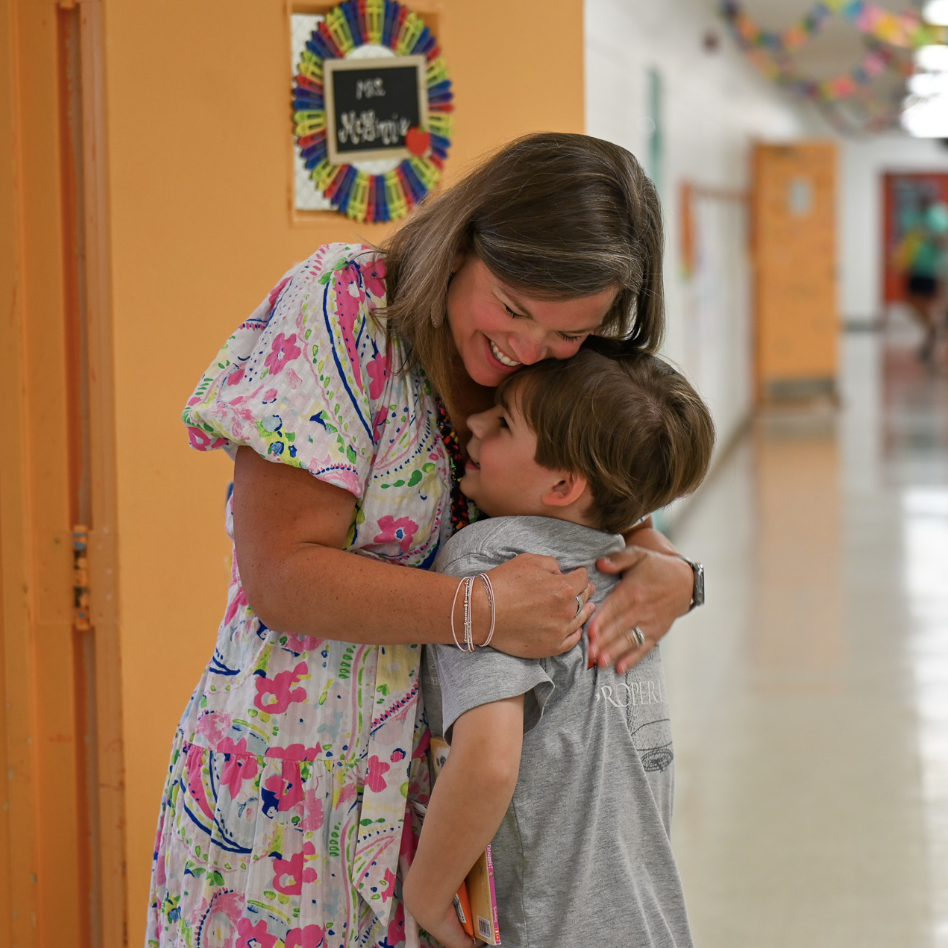
In a smaller school community, students aren't simply names on a roster. Teachers, coaches, administrators, and other members of the school community have opportunities to know students personally - their strengths, interests, goals, and even the areas where they may need an extra push.
Those relationships matter.
When students feel known, they are more likely to ask questions, seek help, take healthy risks, and become active participants in their education. Teachers can recognize when a student is ready for a new challenge or needs additional encouragement.
For parents, it's reassuring to know that the adults at school truly know their child.
Students Explore More.
Students do not have to choose just one thing.
One of the greatest advantages of a small independent school is the opportunity for students to explore multiple interests rather than being defined by just one.
At St. Luke's, a student can be an athlete and an artist. A scientist and a performer. A student leader and a member of a championship team.
Students can explore athletics, theatre, visual arts, STEM+M, Biomedical Sciences, engineering, service, leadership, advanced academics, and other interests throughout their school experience.
These opportunities allow young people to discover talents they may never have known they had.
Why choose just one when a student is capable of becoming so much more?
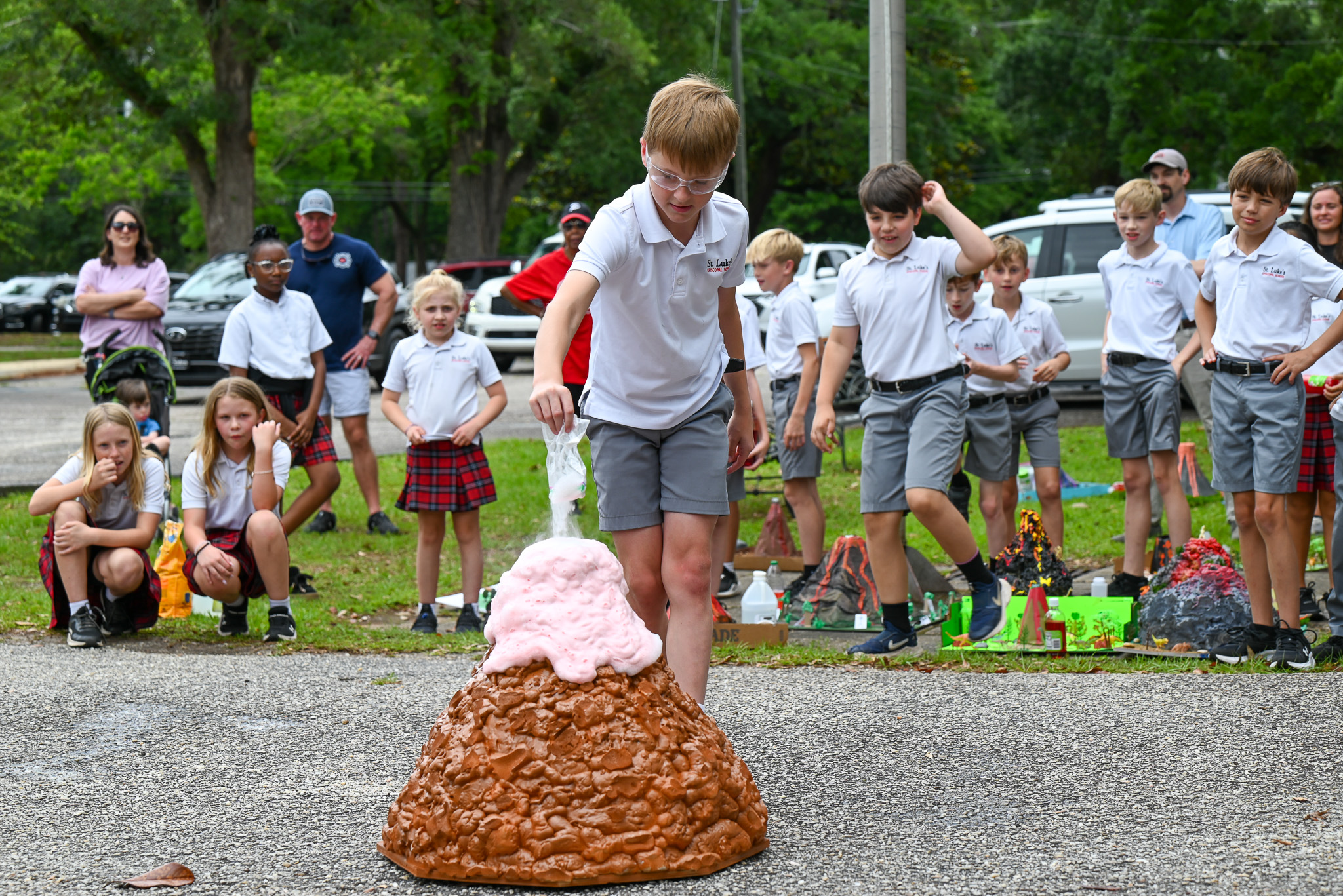
Students Lead More.
Every student has the opportunity to make a difference.
At a smaller school, students don't have to wait on the sidelines for their opportunity.
They can step onto the field, audition for the production, join the club, participate in a service project, pursue leadership, try something completely new, or help create something that didn't exist before.
Participation builds confidence, and confidence often leads to leadership.
Over time, students learn that their ideas matter, their contributions make a difference, and they can do difficult things. Those lessons extend far beyond the classroom.

Students Learn More.
Small can still mean academically ambitious.
Choosing a smaller school doesn't mean sacrificing academic opportunities.
The right independent school combines personal attention with challenging academics and distinctive programs that allow students to pursue their interests in meaningful ways.
At St. Luke's, learning extends beyond textbooks and traditional classrooms. Students encounter hands-on experiences through STEM+M, Biomedical Sciences, engineering, advanced coursework, the arts, leadership, athletics, service, and real-world learning opportunities.
The goal isn't simply to prepare students for the next test or the next grade level. It's to develop curious thinkers, confident communicators, creative problem-solvers, and young adults prepared for college and beyond.
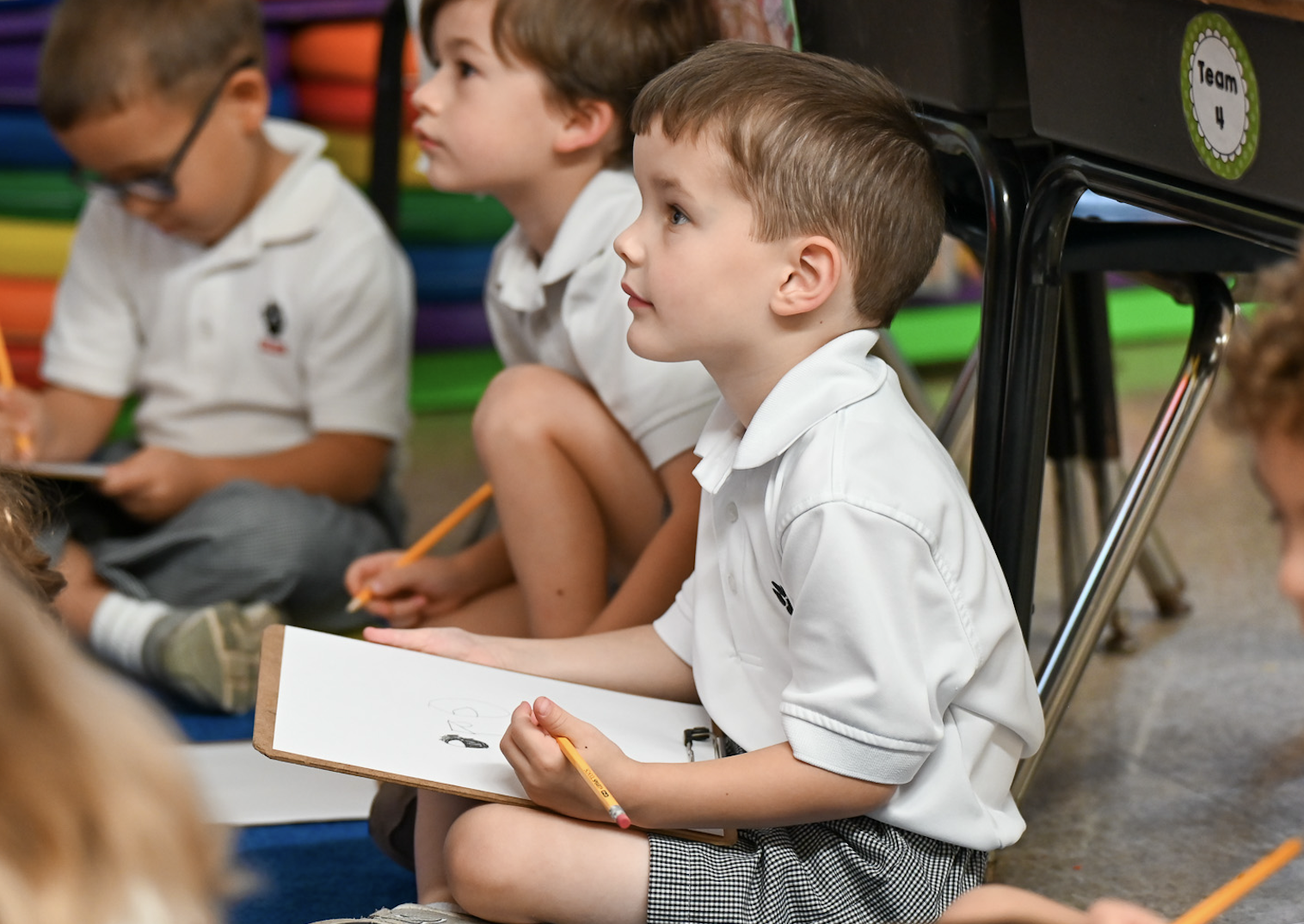
Students Build Relationships.
Relationships can span the entire school experience.
There is something special about growing up in a school community where relationships are built over years.
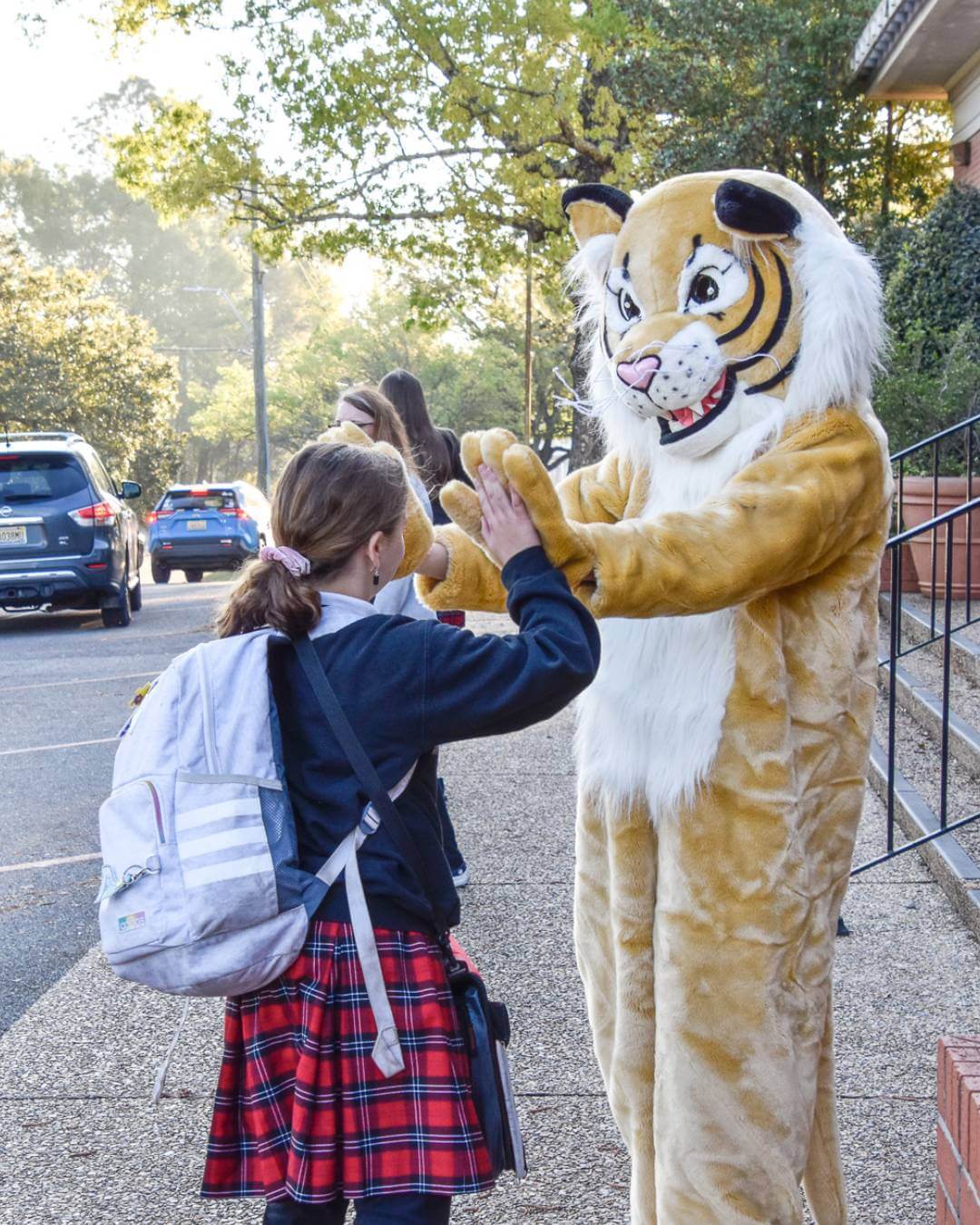
In a K2–12 environment like St. Luke's, younger students have opportunities to see older students as role models. Older students have opportunities to mentor, encourage, and lead younger Wildcats.
A senior visiting an elementary classroom isn't simply another high school student. That senior represents who those younger children might one day become.
Those connections help create a sense of belonging that extends across grade levels and campuses.
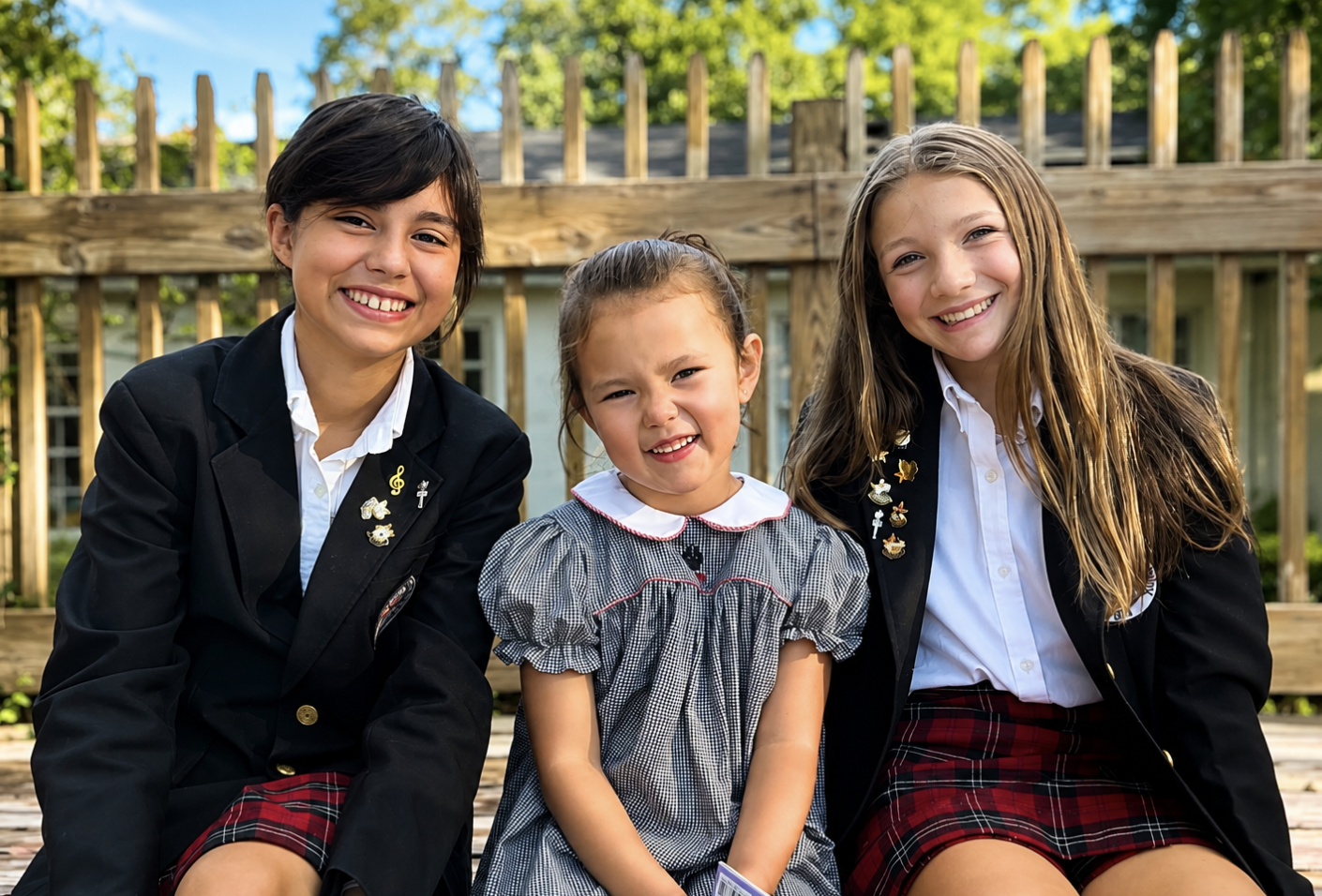
Students Are Challenged.
Teachers can teach the student, not just the subject.
Excellent teachers do more than deliver curriculum.
They recognize the student who needs encouragement to raise a hand. They notice the student who is ready for a greater challenge. They discover the quiet talent that hasn't surfaced yet. They encourage a child to audition, compete, lead, create, speak up, or try again.
Smaller learning environments can make those moments easier to recognize.
And sometimes one teacher recognizing something special in a student can change the trajectory of that student's education.
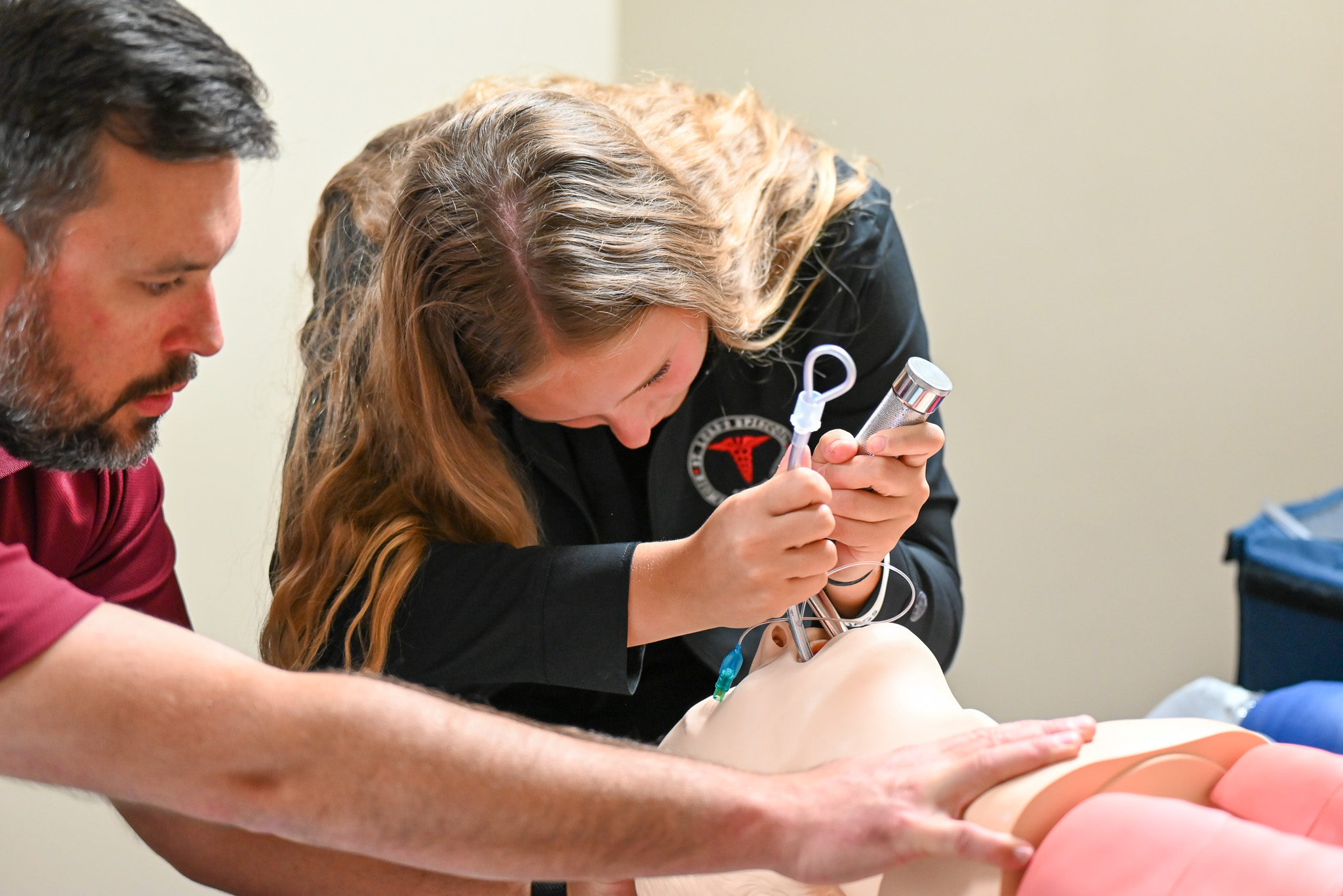
Students Discover Their Potential.
The right opportunity can reveal something extraordinary.
Children change tremendously between their first years of school and graduation.
The elementary student who loves science may discover theatre in middle school. The athlete may develop an interest in medicine. The quiet ninth grader may become a student leader. The child who thought, I'm not good at that, may discover an entirely new strength simply because someone encouraged them to try.
Education shouldn't put children into boxes.
It should help them discover how many possibilities exist beyond themselves.
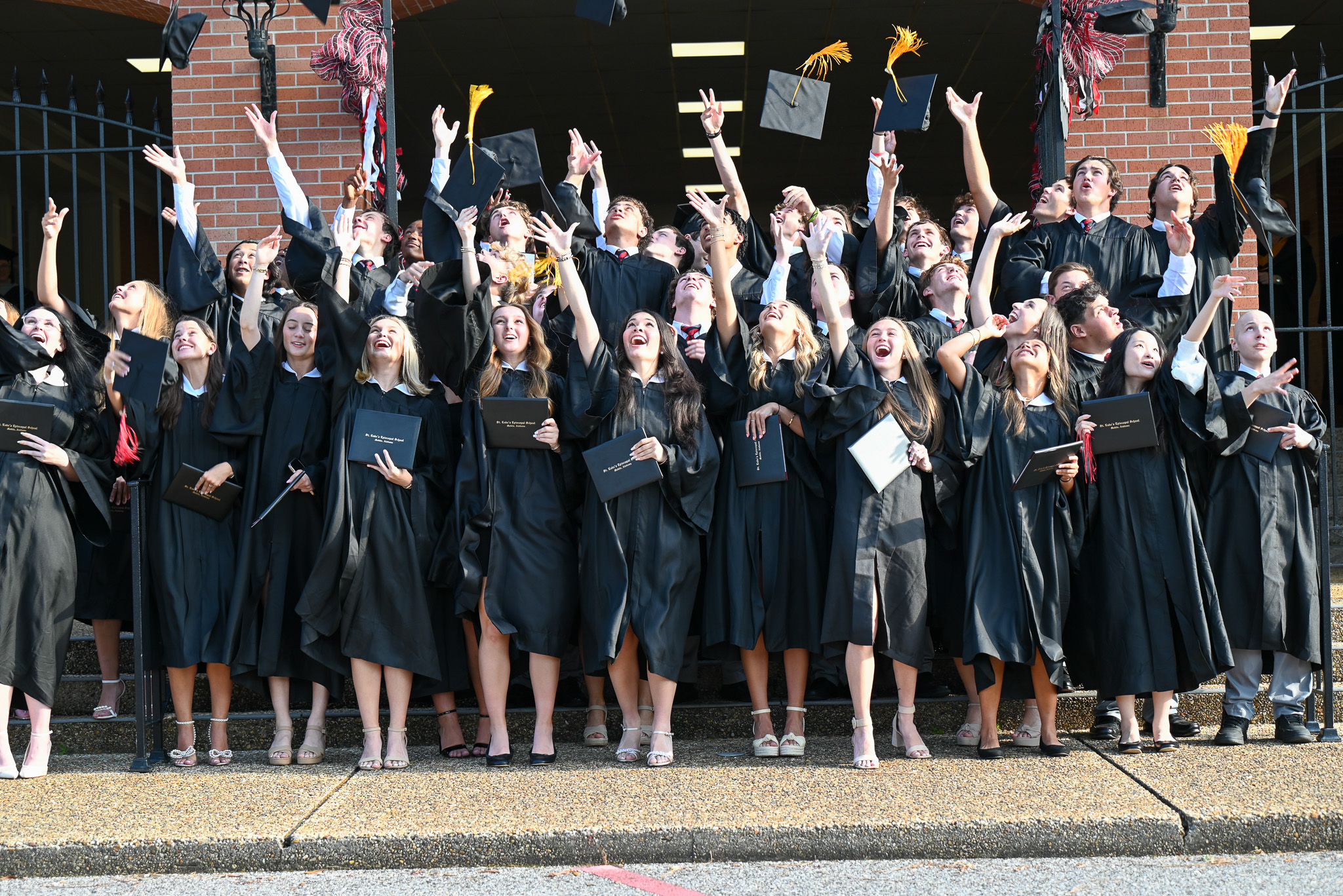
Small School. Big Opportunities.
Small school. Big opportunities. Limitless Possibilities.
Ultimately, families aren't simply choosing classes, programs, or extracurricular activities.
They're choosing the community in which their children will grow up.
They're choosing the teachers who will challenge them, the coaches who will encourage them, the friends who will grow alongside them, and the opportunities that will help shape who they become.
At St. Luke's Episcopal School, we believe students shouldn't have to choose between being known and having opportunities.
They deserve both.
That's the advantage of a small independent school.